Colorado Lawmakers Deliver New Wildfire Insurance Law, What It Means for Homeowners
Colorado’s effort to make homeowners insurance fairer and more transparent in the face of rising wildfire risk has crossed a major milestone.
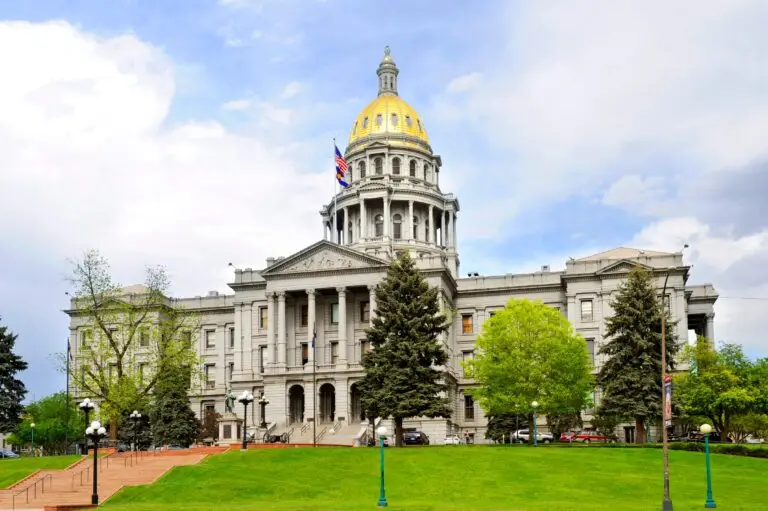
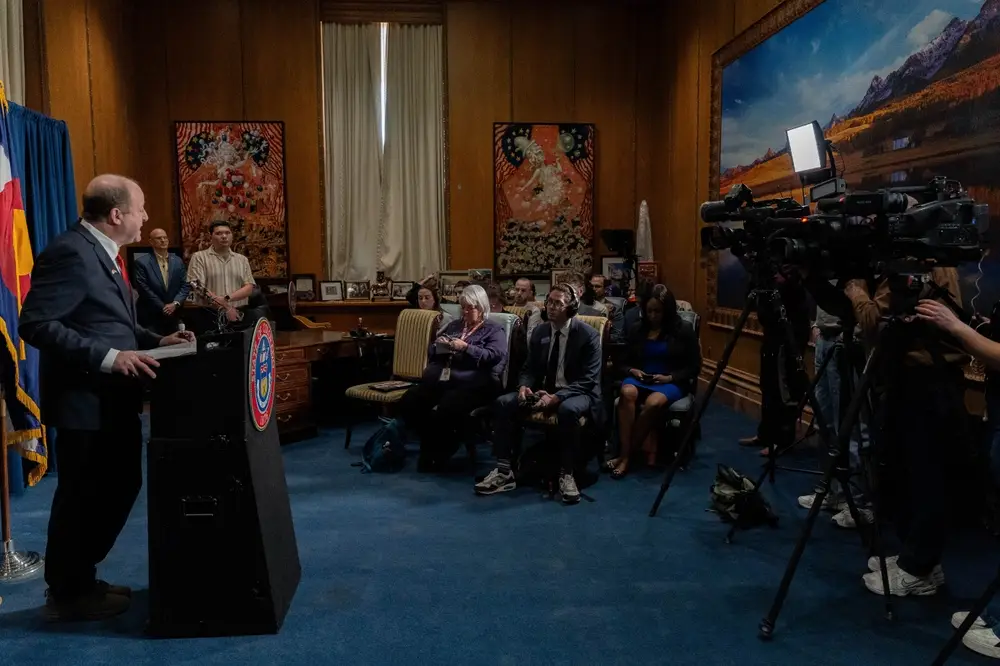
House Bill 25-1182, a bipartisan bill aimed at regulating how insurance companies use wildfire risk models in underwriting and pricing, has now been passed by the legislature and signed into law by Governor Jared Polis. The new law is set to take effect August 6, 2025, and represents one of the state’s most significant steps yet toward addressing affordability and availability challenges in the property insurance market.
Why This Matters to Wildfire-Prone Homeowners
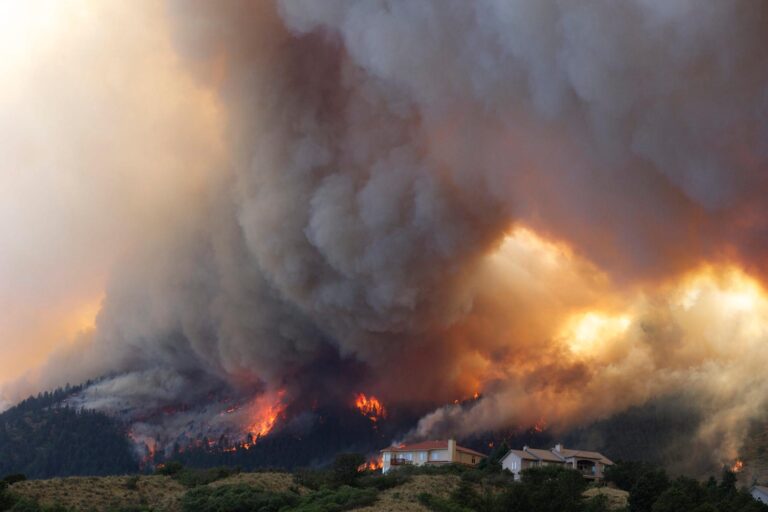
Many Coloradans living in the wildland-urban interface (WUI) from mountain communities like Evergreen and Boulder County foothills to wildfire-vulnerable suburbs west of Denver, have seen insurance premiums surge, and some have even lost coverage entirely. The new law is designed to help homeowners better understand and influence how insurers assess wildfire risk, and to ensure that real mitigation efforts can lead to tangible benefits.
More Transparency in Risk Scoring
Under the new law, insurers that use a wildfire risk model, catastrophe model, or other scoring tools to underwrite or price homeowners insurance must now:
-
Provide policyholders with clear, written explanations of their wildfire risk score — including how their score was determined and where it sits within the potential range.
-
Offer this score when a homeowner applies for a policy, at renewal, or if a policy is not being renewed.
-
Disclose how mitigation actions affect that score.
-
Allow homeowners to appeal a score they believe is inaccurate if they can show evidence of additional mitigation work.
This means homeowners who take proactive steps, from creating defensible space around their home to installing fire-resistant roofing and vents, will have that work reflected in their risk assessment and potentially in their premium.
Discounts and Mitigation Incentives
Perhaps the most practical change for residents is how mitigation efforts are treated in pricing:
-
Insurers must either incorporate property-specific and community-level wildfire mitigation actions into their modelsor provide discounts to policyholders who can show they’ve taken such steps.
-
Insurers must also post on their websites the available mitigation discounts, incentives, and the process for appealing a risk score so homeowners know what actions can help lower their rates.
This is especially meaningful in areas where wildfire risk has driven up premiums or caused some insurers to withdraw from the market: now there’s a formal mechanism tying proactive risk reduction to cost savings.
Appeals and Fairness Protections
Before this law, homeowners often had little visibility into how their wildfire risk was calculated — or recourse if they believed a score was inaccurate. Now, the law:
-
Requires insurers to notify policyholders of their right to appeal and to respond to those appeals within a defined timeline.
-
Ensures insurers share risk scoring data with the Colorado Division of Insurance as part of rate filings, increasing regulatory oversight.
This appeals process gives homeowners a clearer path to challenge ratings that don’t reflect on-the-ground conditions or mitigation steps they’ve taken.
What Comes Next
The Division of Insurance now must adopt rules to implement the law. Draft requirements already circulating would have insurers detail property-specific and community mitigation actions and explain how homeowners can cut costs through strategic improvements, from defensible space to fire-resistant renovations.
While no law can guarantee lower premiums, especially in the face of severe wildfire seasons and tough insurance markets, this reform aims to make the system more transparent, more equitable, and more responsive to homeowners’ choices.