Colorado Lawmakers Introduce Bill to Regulate Wildfire Risk Models in Insurance Pricing
Denver, CO — March 2025 — A new bill introduced on the House floor this week could change how insurance companies assess wildfire risk and price homeowners’ policies across Colorado.
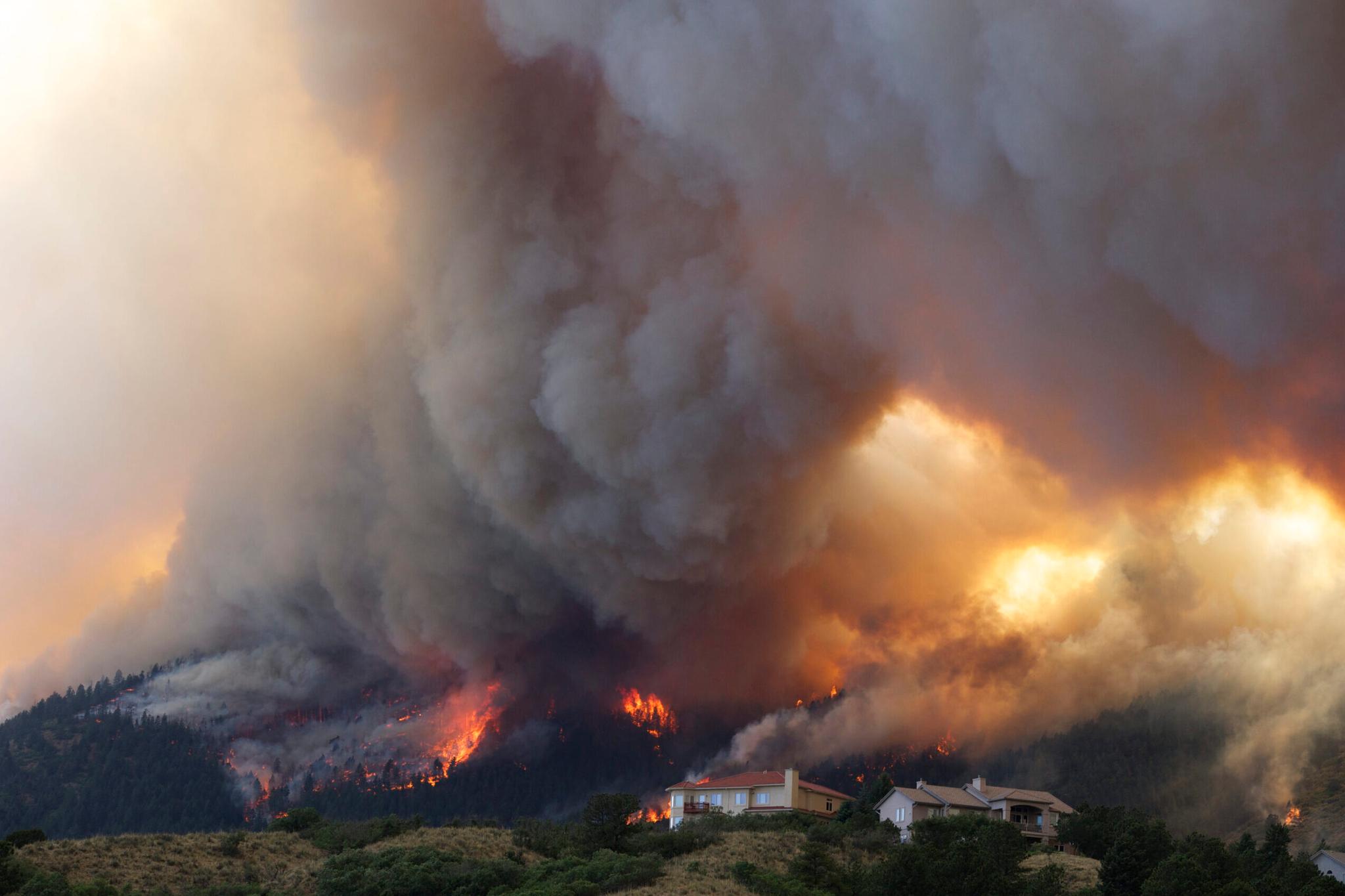
House Bill 25-1182, sponsored by Representatives Brianna Titone (D-Arvada) and Kyle Brown (D-Louisville), aims to bring greater transparency and fairness to the use of wildfire and catastrophe risk models in property insurance underwriting. The bill comes amid mounting concern from residents and local officials over skyrocketing homeowners insurance premiums — especially in fire-prone areas of the state where wildfire risk is high and coverage is becoming harder to secure.
Under the proposed legislation, any insurer that uses a wildfire risk model, a catastrophe model, or another scoring method to evaluate risk for homeowners or other property insurance policies would be subject to new requirements. These include sharing details about their risk models with Colorado’s Division of Insurance and providing clear disclosures to policyholders about how those models affect their coverage and pricing.
Transparency and Accountability
One of the bill’s central goals is transparency. Insurance carriers would need to make publicly available on their websites the risk scores used to price policies, explain what the scores mean, and detail available premium discounts tied to wildfire mitigation efforts on specific properties or within surrounding communities. Policyholders and applicants would also receive written annual notices outlining their wildfire risk score, the range of scores possible, and what drove their specific score.
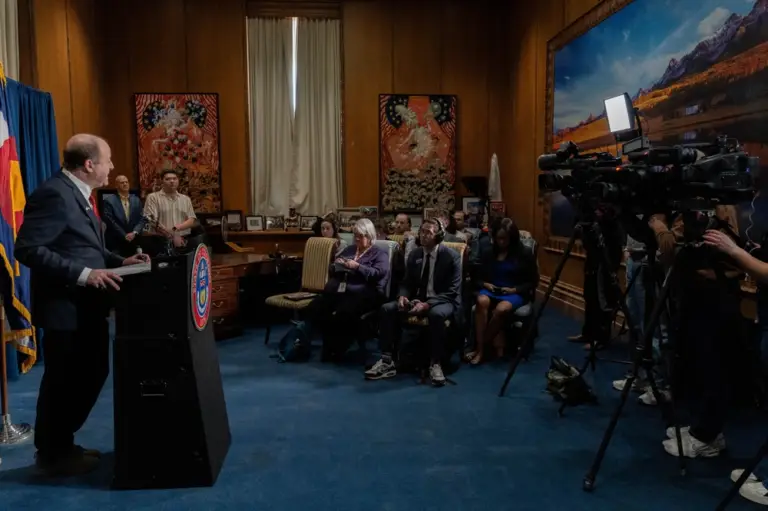
“Colorado policyholders deserve to understand how their insurance rates are calculated — especially when wildfire risk models are a key factor in steep price increases,” said Rep. Titone on the House floor. The bill’s backers argue that greater openness could help homeowners take meaningful mitigation actions — like creating defensible space or investing in fire-resistant construction — that could reduce their risk and potentially lower premiums.
Incentivizing Mitigation
Beyond transparency, HB25-1182 would require insurers to factor in property-specific and community-level wildfire risk mitigation efforts when they use risk models to underwrite or price policies. If insurers fail to incorporate these mitigation efforts into their models, they would be required to provide discounts to homeowners who can demonstrate they’ve taken action to reduce wildfire risk on their property.
Proponents say this is a major shift in how risk is calculated — tying real, on-the-ground mitigation measures directly into insurance pricing. “For years, wildfire risk models have often felt like a black box,” said one Colorado insurance expert following the bill’s introduction. “This legislation is about opening that box so homeowners know what they’re up against and what they can do about it.”
Policyholder Appeal Rights
Another noteworthy provision would give Colorado residents the right to appeal a wildfire risk score or classification directly to their insurer if they believe it’s inaccurate or doesn’t fairly account for mitigation work they’ve done. The insurer must then respond to the appeal within a set timeframe.
A Broader Trend in Wildfire Policy
The introduction of HB25-1182 is part of a larger effort by Colorado lawmakers to address the growing wildfire insurance crisis. With premiums climbing and some carriers pulling back from high-risk areas, lawmakers have been under pressure to find ways to stabilize the market while encouraging wildfire resilience.
The bill will be debated in the House Business Affairs & Labor Committee before moving to the full House. If passed, it would mark one of the most significant attempts yet in Colorado to regulate how wildfire risk modeling influences insurance availability and cost.